
Renovation & Restoration
Buildings Worth Keeping
Historic restoration · Adaptive reuse · Code upgrades
Interior and exterior restoration, renovation and adaptive reuse across North Texas. Call 469-974-8889.
WHY RESTORE
Buildings worth keeping
Some buildings are still sound but out of date, out of fashion, or in need of major work. Knocking them down is rarely the cheapest option and almost never the most interesting one.
Ramsay Architecture has been restoring and adapting North Texas buildings for six decades — including Crozier Tech and The Gild in Dallas. We advise, we renovate, and we handle full adaptive reuse.
The buildings that come to us are usually structurally fine. What they need is a different use, a current code compliance path, or simply an interior that no longer looks like the decade it was built in.
The first question is always whether the building can carry what you want to do with it. That is a structural and mechanical question before it is a design question, and it is worth answering before anyone falls in love with a floor plan.
Sometimes the honest answer is that a building is not worth the money. We would rather tell you that during feasibility than three months into design.
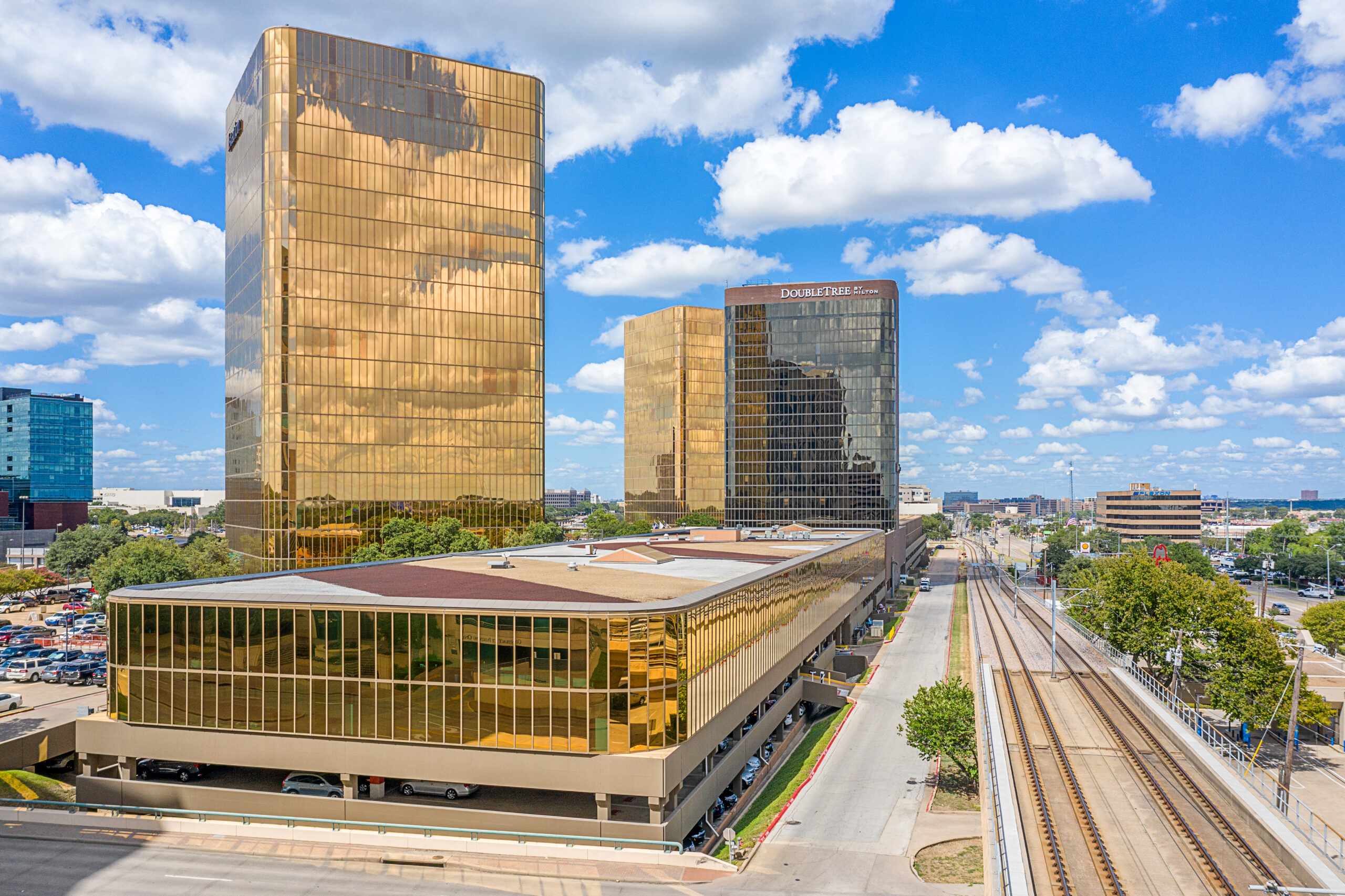
The Gild, Dallas — adaptive reuse
WHAT WE DO
Five ways an old building comes back
Restoration is the one part of our practice where we will happily advise without doing the whole job. Here is the range of what that can mean.
Advise, renovate, or both
Not every restoration project needs a full design engagement. Some owners need an experienced read on what a building can become, what it will cost, and what the city will require — and then they take it from there.
We do that. We can advise on a building you are considering, and we can carry the project all the way through construction drawings if you want us to. This is the one part of our practice where standalone advisory work genuinely makes sense.
Bringing an old building up to current code
This is the hard part, and it is where experience shows.
An existing building was approved under the code of its era. Once you make meaningful changes, current requirements come into play — accessibility, egress, fire separation, restroom counts, mechanical capacity. How much of the current code applies depends on the scope of work, which means the scope itself becomes a design decision with cost consequences.
Getting that judgement right is the difference between a renovation that pencils and one that spirals. Six decades of doing this in North Texas is largely six decades of learning where those lines fall.
Adaptive reuse: changing what a building is for
Adaptive reuse is where restoration gets genuinely interesting — an industrial building becoming offices, an office building becoming residential, a retail space becoming a clinic.
A change of use resets the requirements. Occupancy classification changes, which cascades into egress, fire separation, restroom counts and mechanical loads. Structural capacity has to be checked against the new use, particularly if equipment is involved.
Crozier Tech and The Gild are both examples of North Texas buildings given a second life rather than demolished. If you are considering converting a space for clinical use specifically, see medical office design. For the full picture of how a restoration fits into an engagement, see our full range of architectural services.
Historic buildings and available incentives
Buildings with genuine historic designation can qualify for tax incentives at the federal and state level, and Texas has its own historic preservation tax credit programme. These can materially change whether a restoration project is viable.
They also come with requirements about how work is carried out — incentive programmes generally expect restoration to respect the building’s historic character, which constrains some design decisions.
Whether your building qualifies, and what the current programme terms are, is worth confirming early with a specialist. We will flag it during feasibility if your building looks like a candidate.
Call before you buy
Call before you buy. Whether an old building can become what you want it to be is a question worth answering early.
Ross Ramsay — 469-974-8889
Jonathan Moore — 214-578-8234
2235 Ridge Rd STE 200, Rockwall, TX 75087
Commercial Architects in Rockwall, TX
Ready to Build in Rockwall? Let’s Talk.
Whether it is a commercial building, a medical facility, an industrial site in the Technology Park, a land development or a restoration on the square — bring us in early. The earlier an architect is involved, the more a project saves.
| Firm | Ramsay Architecture |
| Address | 2235 Ridge Rd STE 200, Rockwall, TX 75087 |
| Phone | 469-974-8889 (Ross Ramsay) 214-578-8234 (Jonathan Moore) |
| Hours | Monday–Friday, 8:00 AM – 5:00 PM |
| In Practice Since | 1963 — Rockwall-based since 1983 |
| Project Types | Commercial office, medical & clinical, industrial & manufacturing, retail, mixed-use, land planning, historic restoration |
| Service Area | Rockwall, Heath, Fate, Royse City, McLendon-Chisholm, Dallas County, Collin County |
| Credential | Ross Ramsay, former Rockwall City Planning & Zoning Commissioner |
QUESTIONS
Frequently asked questions
What owners ask before committing to an older building. See all of our architectural services.
Is it cheaper to renovate an old building or build new?
It depends entirely on the building. Renovation avoids the cost of a new structure but can carry expensive surprises in code compliance, mechanical capacity and structural work. We assess this during feasibility so you can compare honestly before committing.
Does renovating trigger current building code requirements?
Often yes. How much of the current code applies depends on the scope of work, which means the scope itself becomes a cost decision. Accessibility, egress, fire separation and restroom requirements are the ones that most commonly come into play.
Can you convert a building to a completely different use?
Yes, that is adaptive reuse. Changing use resets the occupancy classification and everything that follows from it, and structural capacity must be checked against the new use. We assess viability before design begins.
Do you work on designated historic buildings?
Yes. Designated buildings can qualify for federal and state tax incentives, and those programmes carry requirements about how restoration work is carried out. We flag during feasibility whether your building looks like a candidate.
Can you just advise without doing the full design?
Yes. Restoration is the one part of our practice where standalone advisory work genuinely makes sense. We can assess a building you are considering and give you an experienced read on what it can become.
Still deciding?
Start before you commit to the building
Call before you buy or lease an older building. Code, accessibility and structural conditions decide what a renovation will cost, and they are best assessed first.
Ross Ramsay — 469-974-8889
Jonathan Moore — 214-578-8234
2235 Ridge Rd STE 200, Rockwall, TX 75087